

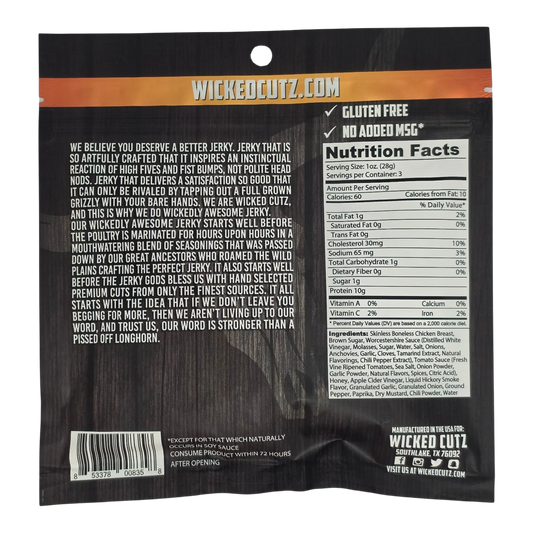

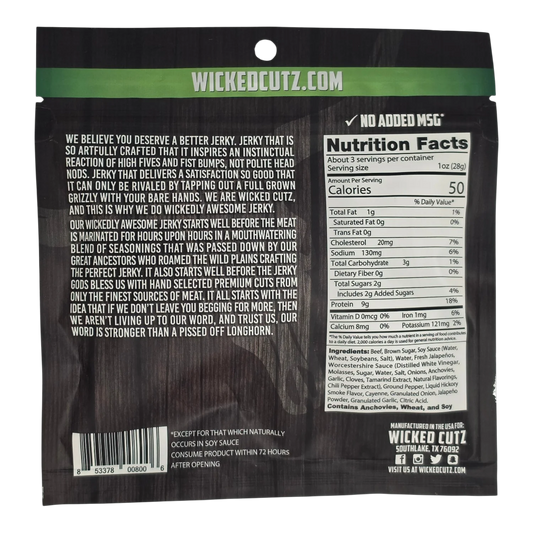

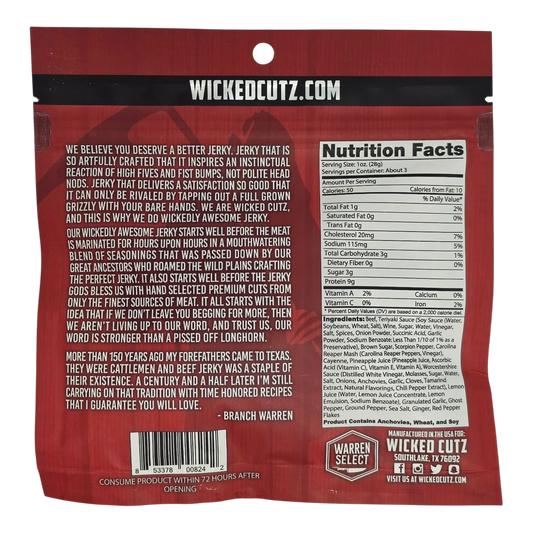

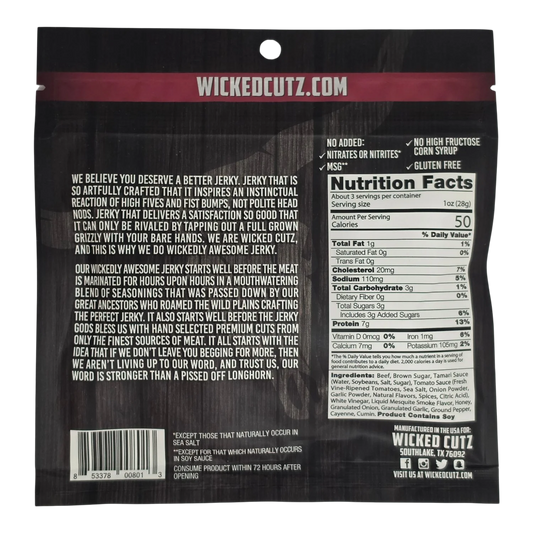

Jerky earned its reputation as a salty snack. Salt is what turns raw meat into something shelf-stable, so most traditional recipes lean on it heavily, and a single serving can eat up a meaningful chunk of a day's sodium budget before lunch. At JerkyBrands, we've gathered lower-sodium jerky options from independent producers into one collection, built specifically for shoppers who want the flavor without the sodium spike that usually comes with it. JerkyBrands doesn't make jerky; we find the best small craft brands and put them in one place. Whether you're watching your sodium for your own reasons or just tired of feeling thirsty immediately after a bag of the regular stuff, this is where to look.
Shop Low-Sodium Jerky Online
Finding a genuinely low-sodium jerky usually means reading a dozen labels at the store and rejecting most of them, or hunting down a handful of niche brand websites and paying separate shipping on each order. This collection does that filtering in advance, pulling together beef and chicken jerky from independent brands like Wicked Cutz and Jerky Junction, all in one cart with one shipping charge, with the sodium line on each label as your guide. Comparing sodium counts side by side beats guessing based on a "healthy-sounding" package at a gas station. Once you land on a flavor that fits, a subscription order locks in 10% savings on every future shipment, so the jerky that works for your diet gets cheaper if you stick with it.
What Makes Jerky Low in Sodium?
Sodium shows up in jerky for a reason, and understanding that reason makes it easier to spot which products genuinely cut it and which ones just say so on the front of the bag.
Why Jerky Is Naturally High in Sodium
Salt does real work in a bag of jerky, and it goes beyond seasoning. According to Utah State University Extension, curing meat for jerky relies on either curing salts or sufficient heat to control microbial growth during drying, and the mechanism is straightforward: salt limits the water available to microorganisms, which is what keeps dried meat shelf-stable without refrigeration. That's a food-safety function first and a flavor choice second, which is part of why even plain, unseasoned jerky tends to have more sodium than a fresh cut of the same meat. Marinades, soy sauce, and salty glazes stack additional sodium on top of that baseline.
The FDA's Definition of Low Sodium
"Low sodium" isn't just marketing language. The U.S. Food and Drug Administration defines specific thresholds for these claims under federal labeling rules. A product labeled "low sodium" must contain 140 mg or less of sodium per reference serving, while "very low sodium" tightens that to 35 mg or less, and "sodium free" requires under 5 mg. A "reduced sodium" claim means the product carries at least 25% less sodium than a comparable standard version, which is a different bar entirely and doesn't guarantee the final number is actually low. Knowing which claim is on the bag, and what it legally requires, matters more than trusting the words printed on it.
How Brands Cut the Sodium Without Losing Flavor
Cutting sodium out of a marinade is easy. Cutting it without ending up with bland, chalky meat is the harder problem, and it's what separates a good low-sodium jerky from a forgettable one. Brands like Wicked Cutz lean on other tools to fill the gap: black pepper, garlic, smoke flavor, vinegar, and chili heat all add flavor without contributing much sodium. Sweeteners like brown sugar and honey often round out those marinades too, which is worth knowing if you're watching sugar as closely as salt; the keto and low-carb jerky collection is built for that.
Why Sodium Intake Matters
Sodium isn't inherently bad, and the body needs some to function. The issue is how much shows up in a typical American diet, and where it comes from.
Daily Sodium Recommendations
According to the American Heart Association, most adults should aim for no more than 2,300 mg of sodium a day, with an ideal limit closer to 1,500 mg for many people, particularly those managing blood pressure. The same source notes that Americans consume more than 3,400 mg on average, well above either threshold, and that about 70% of that sodium comes from packaged, processed, and restaurant food rather than the salt shaker at home. A snack drawer is exactly the kind of place that adds up quietly over the week.
Sodium and Heart Health
The connection between sodium intake and blood pressure is well established in cardiovascular research, which is why a low-sodium jerky isn't just a niche diet product. It's a practical swap for anyone trying to bring their overall intake down without giving up a snack they actually enjoy. Reading the label on a specific product still matters more than the collection it sits in, since "low sodium" jerky still varies by brand and recipe.
Low-Sodium Jerky by Protein
Sodium reduction isn't limited to one type of meat. Here's how it shows up across the category.
Low Sodium Beef Jerky
Beef jerky remains the most common base for low-sodium jerky, and recipes vary widely, from pepper- and garlic-forward rubs to soy- or teriyaki-based marinades, so the sodium line can differ a lot from one bag to the next. Comparing a few beef options side by side is usually the fastest way to find one where flavor doesn't feel like an afterthought, and you can also see if different styles work for you, such as peppered beef jerky or grass-fed beef jerky.
Low Sodium Turkey Jerky
Turkey jerky starts leaner than beef, giving brands more room to build a lower-sodium recipe, since there's less need to mask fattiness with heavy seasoning. If you'd rather have a lighter protein, the turkey jerky collection is the place to compare sodium counts across turkey options.
Low Sodium Chicken Jerky
Chicken jerky takes well to a wide range of seasoning, from herb-forward to sweet and savory, and it's often the gentlest entry point in this collection for anyone new to reduced-sodium snacking. As with any flavor here, the sodium number lives on the nutrition panel, not in the protein.
Low Sodium Alternative and Plant-Based Jerky
Sodium reduction isn't only a meat-based conversation. Plant-based jerky, including mushroom and soy varieties, is worth checking too; sodium varies by recipe there as much as it does in meat jerky, so read the panel the same way.
How to Choose the Right Low-Sodium Jerky
A few practical checks separate a jerky that actually fits a low-sodium diet from one that just markets itself that way.
Read the Sodium Line, Not Just the Front of the Bag
The nutrition facts panel is the only place that tells you the real number. A bag that says "healthier" or "better for you" on the front doesn't automatically clear the FDA's 140 mg threshold for an actual low-sodium claim.
Check the Serving Size
Sodium per serving only means something once you know what a serving is. A product with a smaller stated serving size can look better on paper without actually containing less sodium ounce for ounce, so comparing on a per-ounce basis is more reliable than comparing bags directly.
Compare Ingredients, Not Just Numbers
Soy sauce, teriyaki, and Worcestershire-based marinades are common sodium sources even in recipes that otherwise look mild. Several of the brands we carry, Wicked Cutz included, use soy sauce, tamari, or Worcestershire in their marinades, so scanning the ingredient list for these alongside the nutrition panel gives a fuller picture than the sodium number alone.
Watch for Sauces and Glazes
Sweet-and-savory or barbecue-style jerky can hide sodium behind sugar, so a lower perceived saltiness on the tongue doesn't always mean a lower sodium count on the label. Taste is not a reliable substitute for reading the panel.
Low-Sodium Jerky for Every Occasion
It's not always easy to find a suitable on-the-go snack that also supports a low-sodium diet. Here's where low-sodium jerky comes in to save the day.
Low-Sodium Diets
For anyone keeping an eye on sodium, a lower-sodium jerky offers a way to keep a satisfying snack in the rotation instead of cutting jerky out entirely. Check the label against your own daily target, since every recipe is different.
Hiking, Travel, and Everyday Snacking
Shelf-stable and easy to pack, low-sodium jerky works in a backpack or a glove compartment the same way regular jerky does, without the extra thirst that a heavily salted bag can bring on a long day outdoors. Unopened, store it in a cool, dry place and use it by the best-by date on the bag; once opened, reseal it, refrigerate it, and eat it within 3 days.
Fitness and Active Lifestyles
A lower-sodium option is easy to log for anyone tracking sodium alongside protein and sugar, especially on days when sodium is already coming from other sources. The panel on each bag has the numbers you need.
More Jerky Flavors
The brands in this collection show up across the site, so if a flavor here lands, there's more to explore. The Wicked Cutz lineup runs through jalapeno beef jerky, barbecue beef jerky, and Carolina Reaper beef jerky, and the broader healthy jerky collection gathers the label-conscious picks in one place. If sodium isn't your main concern and you want the classic soy-forward taste, teriyaki beef jerky is the other end of the spectrum.
Shop Low-Sodium Jerky From JerkyBrands
Between beef and chicken options from brands like Wicked Cutz and Jerky Junction, this collection makes it possible to compare jerky from a range of independent brands in a single cart, rather than piecing together a diet-friendly snack drawer one label at a time. We don't make any of it ourselves; JerkyBrands exists to find the best craft brands and bring them together in one shop. Subscribe to the flavors that work for you and save 10% on every future order. Shop the low sodium jerky collection now and find a snack that fits your numbers without giving up flavor.
