

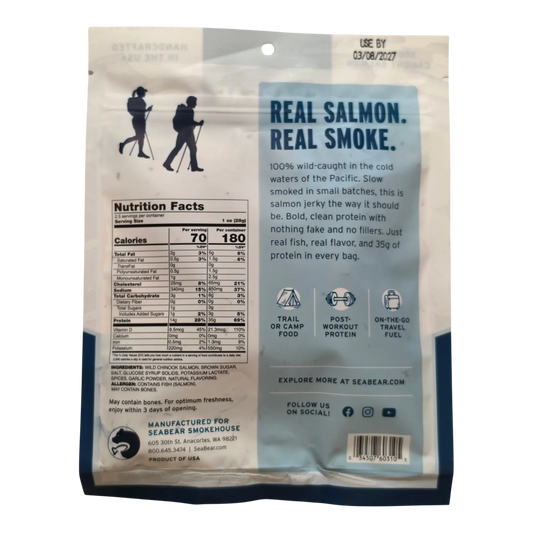

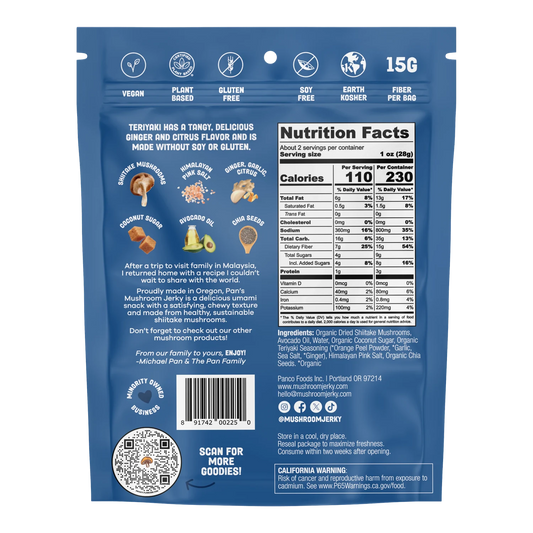

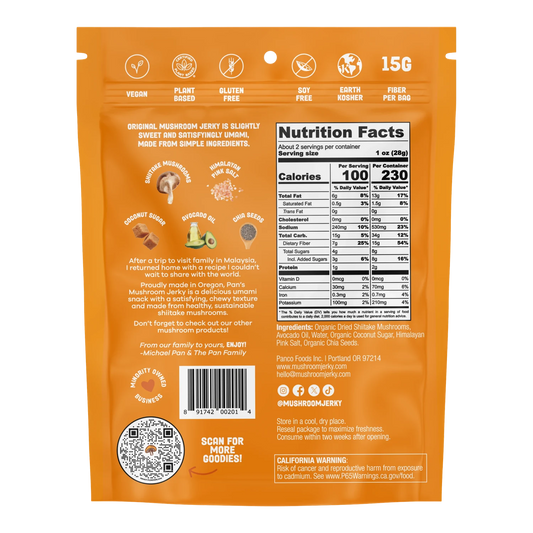

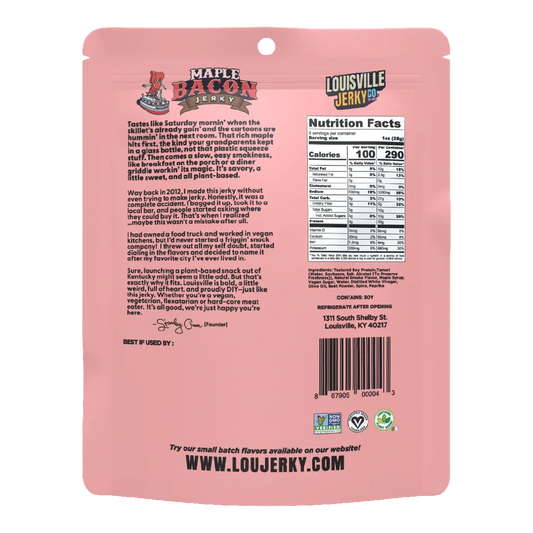

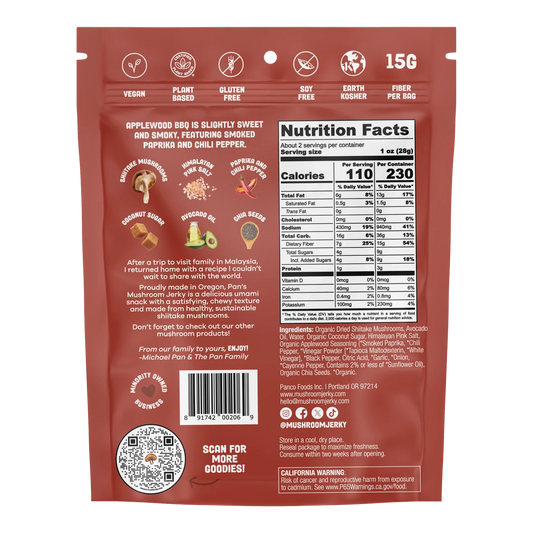

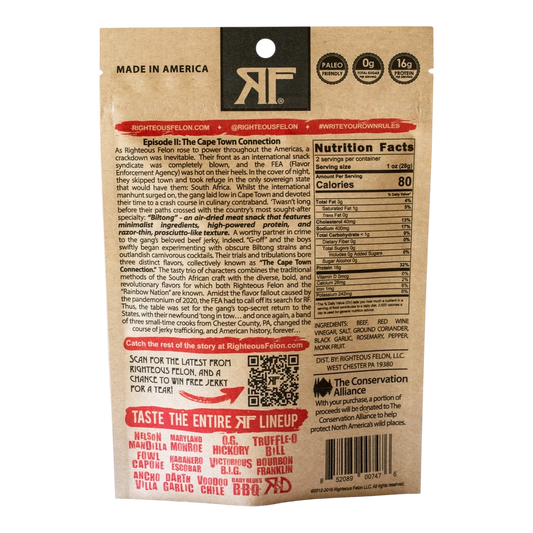

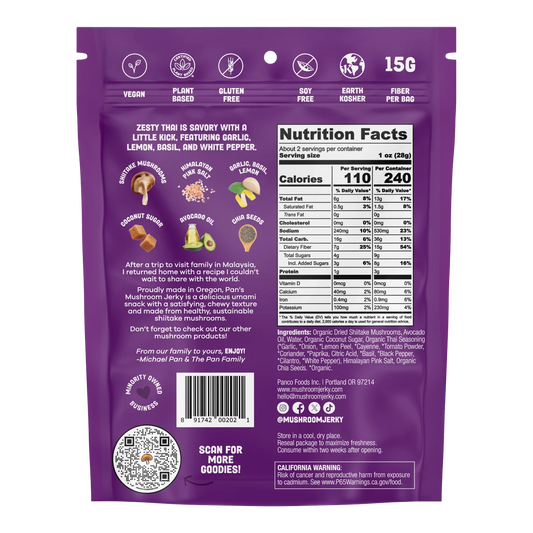

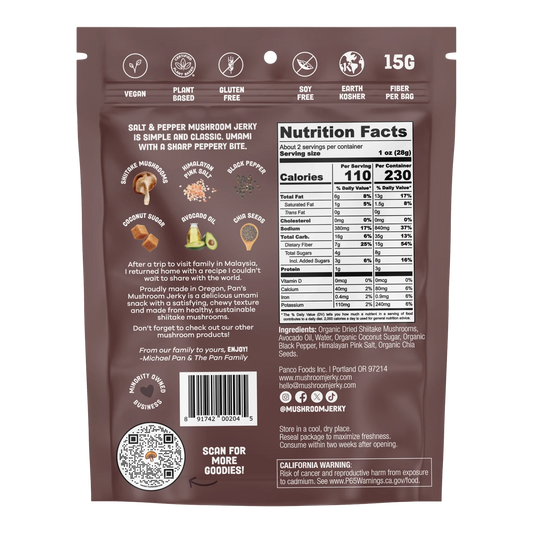


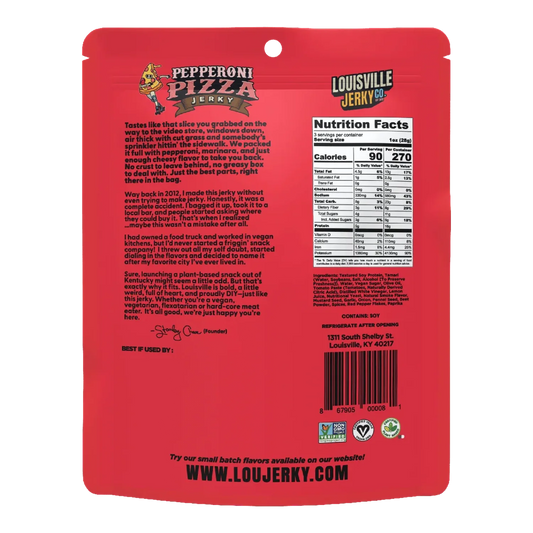

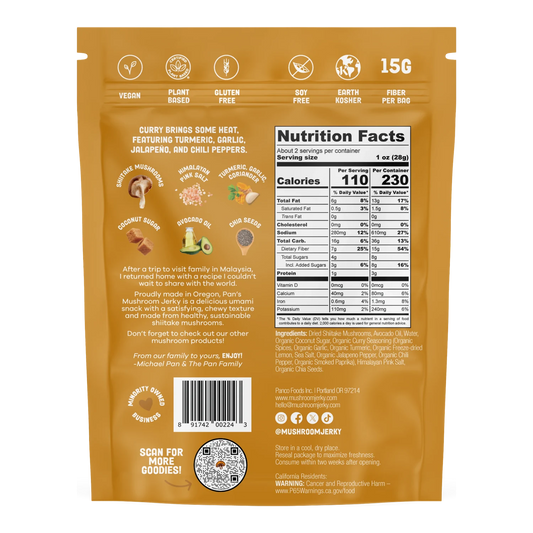

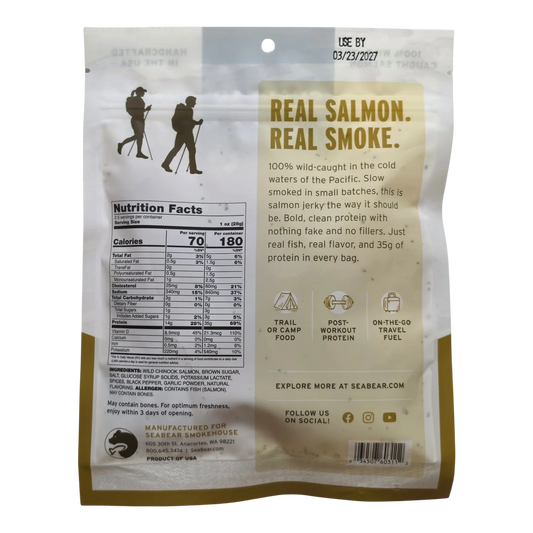

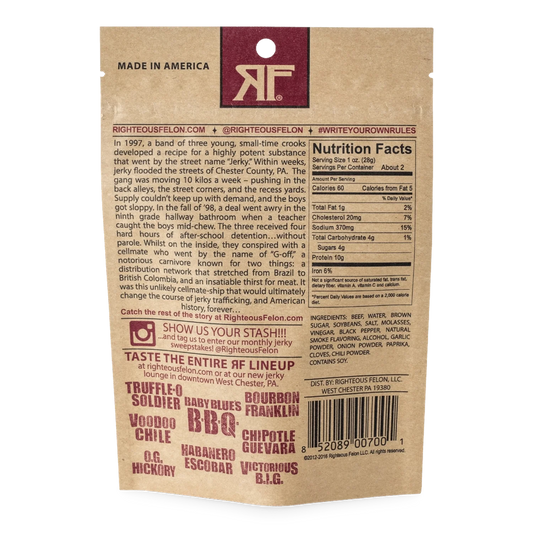


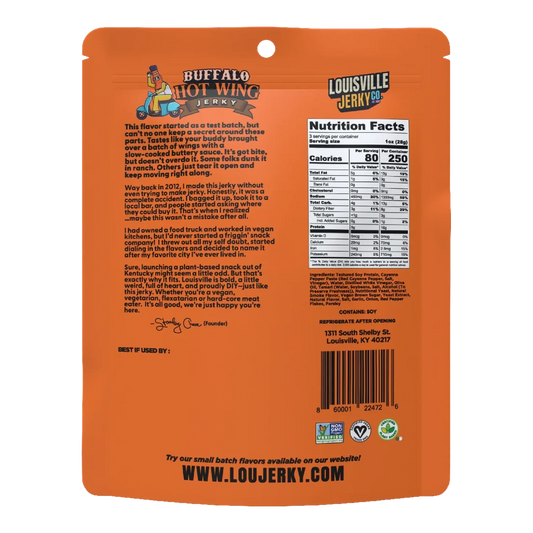

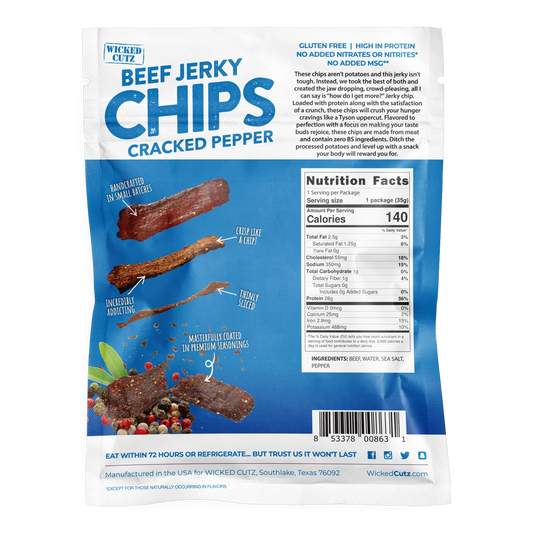

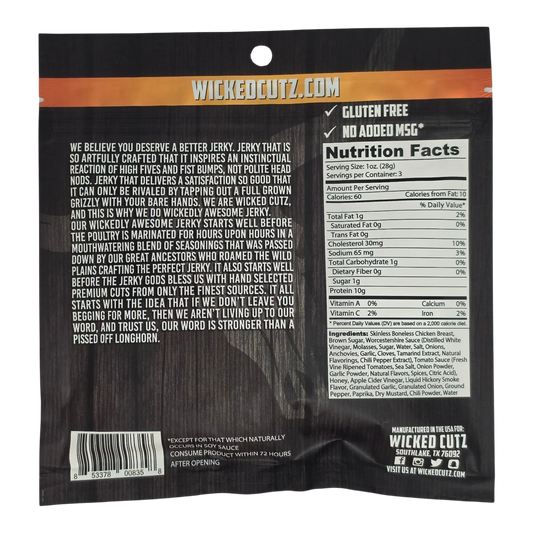

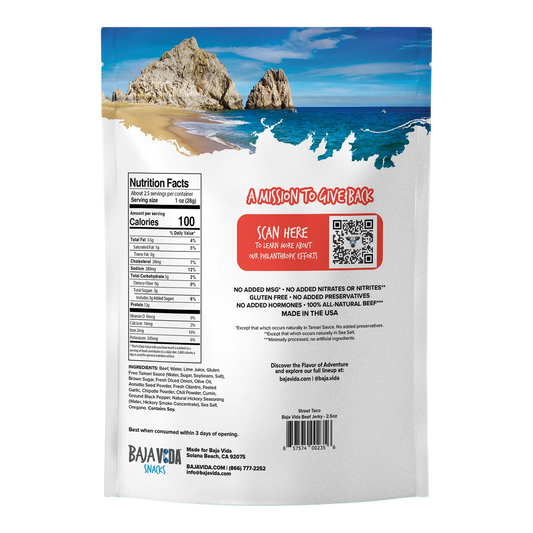

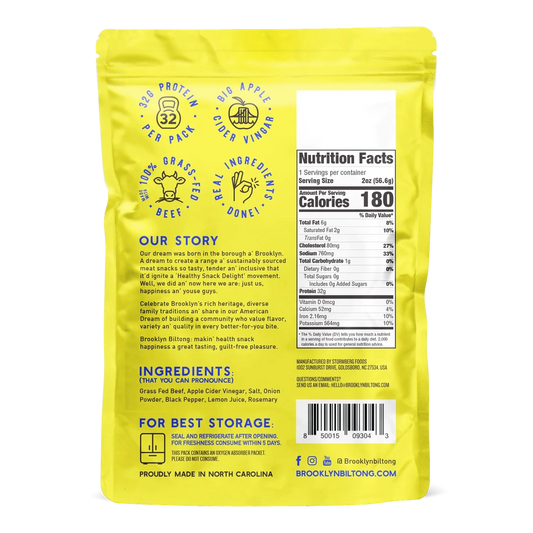

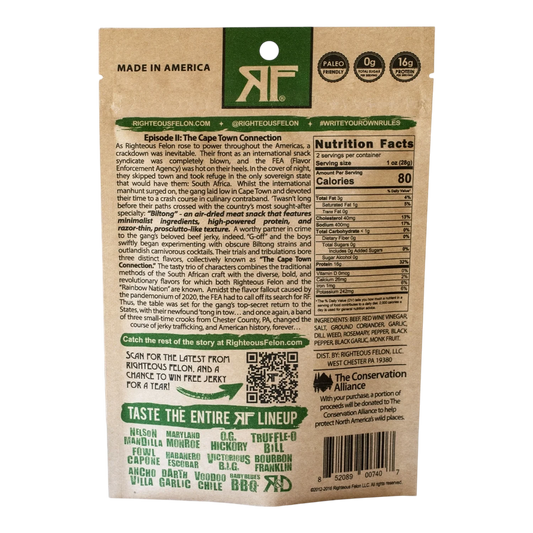

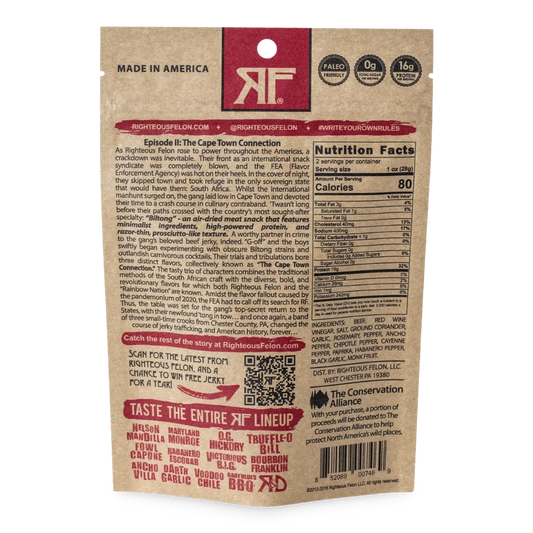


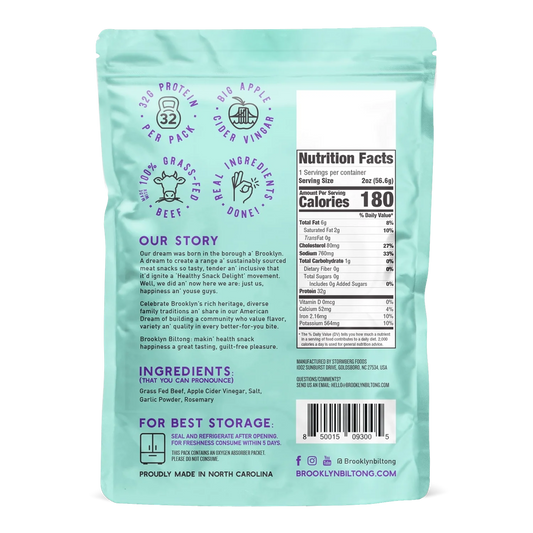

If your idea of a healthy snack starts and ends with a protein bar, jerky deserves a second look. It’s dried, seasoned meat with the moisture removed and the protein left intact, which is exactly why it’s become the go-to grab for anyone who wants something filling and rich in protein that won’t weigh them down. At JerkyBrands, we’ve pulled together healthy, high-protein jerky and meat snacks from dozens of independent brands into one collection, so you’re not stuck picking between the three bags your local gas station stocks. Every brand here was selected because they use real ingredients and know how to build a jerky that tastes good without additives, not because they paid for shelf space.
Shop Healthy Jerky Online
This collection brings together lean cuts, bold seasoning blends, and a range of textures from brands that would otherwise only sell through their own individual sites. That matters more than it sounds like. Shopping one collection instead of seven different brand websites means one cart, one shipping charge, and a much shorter path to actually trying something new instead of defaulting to whatever jerky you always buy.
You can mix and match proteins and flavors in a single order, which is the easiest way to figure out what you actually like without committing an entire paycheck to one brand's lineup. Set up a subscription on your favorites and you’ll save 10% on every future order, so the jerky you keep coming back to gets a little cheaper the longer you stick with it.
What Makes Jerky a Healthy Snack?
"Healthy" is doing a lot of work in a snack aisle full of chips and candy bars, so it helps to break the claim down into what jerky actually delivers. Here is what puts it ahead of most grab-and-go options.
High in Protein
Jerky starts as lean meat, and drying it concentrates the protein rather than diluting it. A single ounce typically delivers 9 to 15 grams of protein, depending on the cut and brand, and protein is one of the most reliable levers for feeling full between meals. Research on dietary protein and appetite has repeatedly found that higher-protein foods tend to increase satiety signals more than fat or carbohydrates do, which is a large part of why jerky works as a snack instead of just a treat. According to MyPlate, healthy adults generally need protein equal to 10% to 35% of their daily calories, and a few ounces of jerky can cover a meaningful share of that without much effort.
Convenient and Portable
No cooler, fridge, or reheating needed. Jerky is shelf-stable straight out of the bag, so it survives a hot glovebox, a gym bag that hasn't been emptied in a week, or a forgotten desk drawer without spoiling. That kind of durability is rare in the protein-forward snack world, where most alternatives need refrigeration or fall apart if you forget about them for a day.
Lower-Carb Snacking Option
Because jerky is mostly meat and seasoning, many varieties land on the lower end of the carbohydrate scale compared to chips, crackers, or granola bars. That said, marinades and glazes vary widely by brand, and teriyaki- or honey-based jerky can contain noticeably more sugar than a peppered or original recipe. If carbs matter to how you eat, check the label on each specific product rather than assuming every jerky behaves the same way.
Variety of Meat Options
Beef gets most of the attention, but this collection also carries turkey, pork, and wild game jerky, each with its own fat content, flavor intensity, and chew. Turkey tends to run leaner than beef, pork brings a richer, sometimes sweeter profile depending on the cure, and wild game varieties like venison or elk offer a flavor you won't find in a standard supermarket meat aisle. If you’re exploring beyond traditional meats, a handful of brands in our broader catalog also make plant-based jerky for shoppers who want the format without the animal protein.
Bold Flavor Without a Full Meal
Smoky, spicy, sweet, savory: jerky covers the same flavor territory as a full meal, just condensed into something you can eat one-handed. That is a big part of the appeal for anyone trying to swap out chips or candy for something with actual substance, since you’re not sacrificing flavor to make a better choice.
Healthy Jerky Options
Beef is the default for most shoppers, but it’s far from the only lean option in this collection. Here is how the main meat categories compare.
Healthy Beef Jerky
Beef jerky remains the anchor of the category for good reason. Lean cuts trimmed of visible fat before drying deliver a dense, chewy bite and a protein count that beats most snack foods outright. Within this collection, you’ll find everything from classic peppered beef to bold, spice-forward recipes, so "healthy beef jerky" doesn’t have to mean bland.
Healthy Turkey Jerky
Turkey jerky is the pick for shoppers who want a leaner alternative to beef without giving up the format entirely. It has a milder flavor and a slightly softer chew, making it an easy entry point if you’re new to jerky or prefer a lighter-tasting protein snack.
Healthy Pork Jerky
Pork jerky brings a richer, sometimes sweeter character that pairs especially well with teriyaki, barbecue, and spicy glazes. The texture tends to run a bit more tender than beef, which some shoppers actually prefer for everyday snacking.
Wild Game Jerky
Venison, elk, and other wild game varieties offer a flavor profile you can’t replicate with farmed meat, and many game cuts run leaner than their domestic counterparts. We won’t claim every wild game product is automatically the healthiest option in the collection, since that depends on the specific cut and seasoning, but the variety alone is worth exploring if you’ve never tried it.
Healthy Jerky Flavors
Protein content and healthy eating patterns matter, but so does whether you actually enjoy eating the snack. These flavor families show up most across the collection.
Teriyaki Jerky
Sweet and savory in equal measure, teriyaki remains one of the most popular flavors in the entire category, and for good reason: the soy and brown sugar glaze plays well against almost any protein.
Spicy Jerky
Chipotle, habanero, ghost pepper, and straightforward hot varieties all live here for shoppers who want their snack to fight back a little. Heat levels vary widely by brand, so if you’re heat-sensitive, start with something labeled "medium" before jumping to the hottest option on the shelf.
BBQ Jerky
Smoky and slightly sweet, BBQ jerky splits the difference between savory and dessert-adjacent without tipping fully into either camp.
Original and Traditional Jerky
Sometimes the classic recipe is the right call. Original and traditional jerky keeps the seasoning simple, letting the meat itself carry the flavor, which also tends to mean fewer added sugars in the ingredient list.
Specialty and Unique Flavors
Fruit-forward glazes, smoked recipes, and gourmet combinations you would not expect show up regularly in this collection, mostly because independent brands are willing to experiment in ways a single mass-market label rarely does. If you have already worked through the basics, this is where the discovery really starts.
How to Choose Healthy Jerky
Flavor and meat type are only half the decision. The nutrition label tells you the rest, and these five checkpoints cover what actually separates one bag from another.
Check the Protein Content
Look at grams of protein per serving, not just per bag, since serving sizes differ across brands and can make a lower-protein product look more competitive than it actually is.
Look at Sodium Levels
Sodium is one of the biggest variables in jerky, and it swings widely by brand and recipe. The CDC recommends adults keep sodium intake under 2,300 milligrams a day, and the average American already consumes more than 3,300 milligrams daily, so it’s worth checking how much a single serving of jerky contributes toward that limit. The FDA's label guidance treats 5% of the Daily Value or less as low in sodium and 20% or more as high, which gives you a quick way to compare two products side by side.
Check Added Sugar
Sweet marinades, teriyaki glazes, and honey-cured recipes can contain far more sugar than peppered or original jerky. Compare total sugar and, where it is listed separately, added sugar, since the two numbers can tell different stories about the same product.
Review Ingredients
Ingredient lists vary enormously between brands, from short and simple to long and heavily processed. Check for preservatives, sweeteners, and the specific seasoning blend used, and match that against your dietary preferences or restrictions.
Consider Serving Size
Bag sizes and stated servings differ from brand to brand, so a nutrition label that looks impressive at first glance can shift once you realize the numbers are based on half the bag rather than the whole thing. Always check the serving size line before comparing two products head-to-head.
Healthy Jerky for Every Lifestyle
The same qualities that make jerky a smart snack choice also make it useful in specific situations.
Healthy Jerky for Hiking and Camping
Lightweight, shelf-stable, and protein-dense, jerky earns its spot in a backpack better than almost any other snack. It survives heat, needs no refrigeration, and takes up almost no space.
Healthy Jerky for Work
A bag of jerky in a desk drawer is a genuinely useful backup for the afternoon slump, especially compared to a vending machine's usual lineup. No prep, no mess, no reason to leave your desk.
Healthy Jerky for Travel and Road Trips
Jerky travels better than almost anything else in a gas station snack aisle. It doesn't melt, doesn't need a cooler, and doesn't leave crumbs all over the passenger seat.
Healthy Jerky for Fitness and Active Lifestyles
Whether you’re eating it before a workout for sustained energy or after one to help with recovery, jerky's protein-to-convenience ratio is hard to beat, and it packs down small enough to carry in a gym bag without a second thought.
Healthy Jerky for Everyday Snacking
Not every jerky moment needs a mission behind it. Toss a bag into a lunch box, a backpack, or a purse, and it’s there the next time you crave it.
Shop Healthy Jerky From Top Brands
This collection pulls together independent jerky makers who each bring their own take on meat, cure, and seasoning, from air-dried biltong-style cuts to bold, spice-heavy American recipes. Comparing a handful of brands side by side in one cart is the fastest way to find the one that earns a repeat order, instead of guessing based on packaging alone.
Healthy Jerky Nutrition and Benefits
Beyond protein content, jerky offers nutritional advantages that are easy to overlook until you line it up next to a typical vending machine snack.
Protein and Satiety
Protein slows digestion and blunts hunger more effectively than carbohydrates or fat gram for gram, which is a large part of why a small serving of jerky can hold you over until your next meal in a way that an equivalent amount of chips usually can’t.
Essential Nutrients
Meat naturally carries B vitamins, iron, and zinc alongside its protein, according to guidance from MyPlate. Iron supports healthy red blood cells, zinc plays a role in immune function, and B vitamins are involved in how your body builds tissue, all of which come along for the ride in a serving of jerky without any special formulation required.
Convenient Energy
Because jerky doesn’t spike blood sugar and cause a crash the way sweet snacks can, it tends to deliver steadier energy between meals, which is exactly what you want from something you’re eating to bridge a gap rather than replace a meal.
What to Check on the Nutrition Label
- Protein: The number that matters most if you’re choosing jerky specifically for its satiety value.
- Calories: Varies more than people expect based on fat content and glaze.
- Sodium: One of the widest-ranging numbers in the category, worth comparing every time.
- Sugar: Higher in sweet and glazed varieties, lower in original and peppered recipes.
- Carbohydrates: Generally low across the category but not identical from brand to brand.
- Fat: Tied closely to the cut of meat and how it was trimmed before drying.
- Serving size: The number every other line on the label is based on, so check it first.
Shop Healthy Jerky at JerkyBrands
Between lean beef, turkey, pork, and wild game, sweet glazes and fire-forward heat, and a lineup of independent brands you won’t find together anywhere else, this collection covers a lot of ground for one page. Protein, portability, and flavor don’t have to be a trade-off, and browsing everything in one place beats hopping between a dozen brand websites to build a snack drawer worth keeping. Shop the full healthy jerky collection now, and set up a subscription on your favorites to save 10% on every reorder.