





















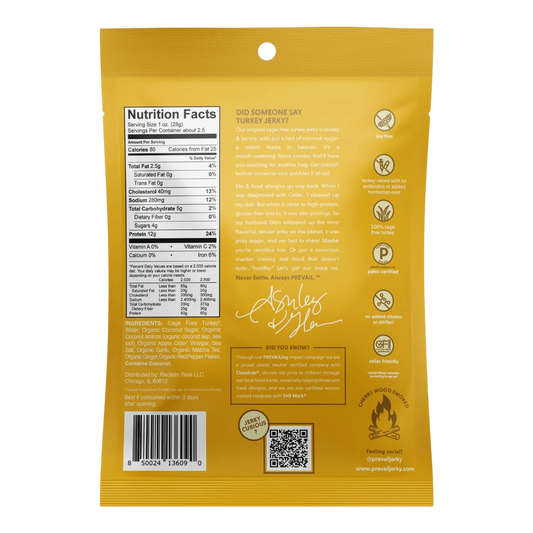
Paleo eating comes down to a simple idea: stick to foods that look like what they started as. Meat, vegetables, fruit, nuts, and seeds are in. Grains, legumes, dairy, refined sugar, and most processed foods are out, according to the Harvard T.H. Chan School of Public Health and Cleveland Clinic. Jerky fits that framework about as naturally as a snack can, since at its core it is just meat, salt, and seasoning with the moisture pulled out.
That's also exactly why jerky has become a staple for anyone building a paleo-friendly pantry. It travels without a cooler, needs no prep, and delivers a meat-forward bite when a salad or a skillet isn't an option. Shoppers searching for paleo jerky, paleo-friendly jerky, paleo meat snacks, natural jerky, and clean-ingredient jerky are usually after the same thing: a protein snack that won't derail the way they eat. JerkyBrands doesn't make any of it. We find the small craft brands doing it well and put them in one place.
One caveat: not every bag of jerky on a shelf qualifies. Sugary marinades, sneaky starches, and long ingredient lists show up across the category, paleo aisle included. Whether a specific product fits your version of paleo comes down to its ingredient list and nutrition label, not the word "jerky" printed on the front.
Shop Paleo Jerky Online
This collection gathers paleo-friendly beef, turkey, pork, tuna, and mushroom jerky, plus air-dried biltong, from independent brands. Instead of hunting across a dozen brand pages, you get one collection with a real range of meats, flavors, and textures that can be explored in a single sitting.
Shopping this way also means one cart and one shipping charge instead of several, making it much easier to try something new instead of reordering the same bag out of habit. It's a genuine one-stop shop for paleo-minded snacking. Every brand in this curated selection builds flavor around the meat first, though "paleo-friendly" still comes down to the specific product. Check the ingredient list and nutrition label on anything you add to your cart to confirm it matches your dietary standards, and once you find a few favorites, set up a subscription to save 10% on every reorder.
What Makes Jerky Paleo-Friendly?
Jerky sits close to the paleo ideal by default, but a handful of specific qualities separate a genuinely paleo-friendly bag from one that only looks the part.
Simple, Natural Ingredients
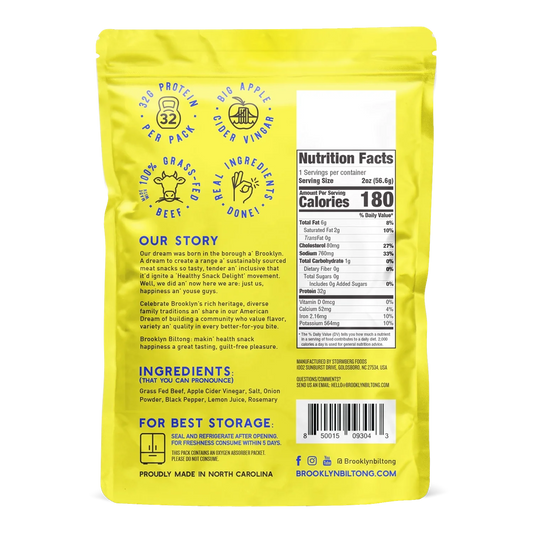
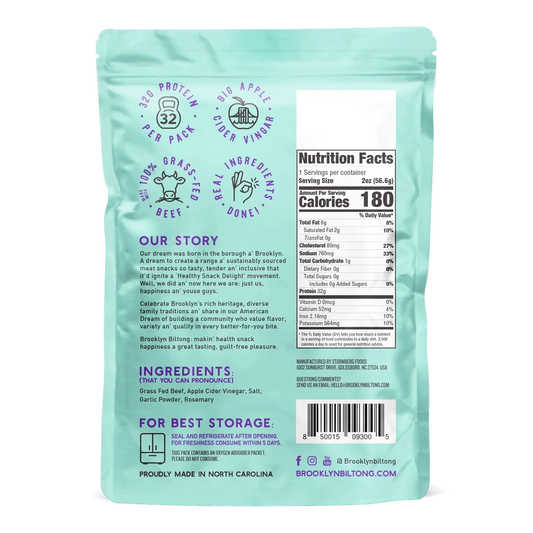
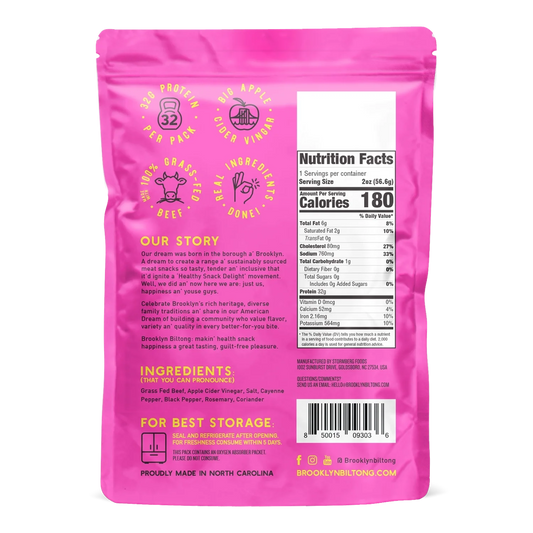
The paleo diet emphasizes single-ingredient, whole foods, and jerky can deliver that when done right. Meat, spices, herbs, salt, and maybe a splash of vinegar or citrus is about as close to the paleo ideal as a packaged snack gets. Brooklyn Biltong's Grass Fed Classic lists three ingredients and Jerky Junction's Natural Crisps list two. The catch is that ingredient lists vary enormously by brand, so a short, recognizable list matters more than any claim printed on the front of the bag.
No Processed Sugars
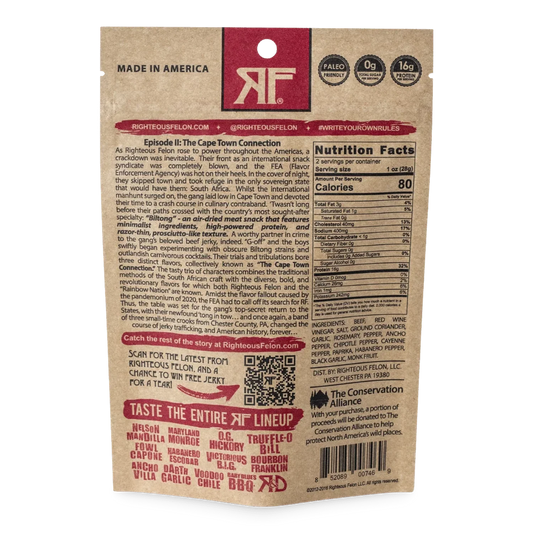
Refined sugar is one of the clearest lines paleo eating draws, and marinades are where jerky tends to cross it. Teriyaki, honey barbecue, and other sweet glazes can include a meaningful amount of added sugar, while a peppered or original recipe usually has little to none. Some paleo-certified brands here sweeten with coconut sugar, and some biltong makers use monk fruit, so reading the marinade and sweetener line on the label, rather than guessing from the flavor name alone, is the only reliable way to know where a specific bag lands. If sugar is your main concern, the keto and low-carb jerky collection is sorted with that in mind.
Meat-Based Protein
Jerky starts as lean meat, and drying it concentrates the protein rather than diluting it. That makes it a convenient way to follow a meat-forward eating pattern without cooking, and this collection covers a genuine range of proteins so you aren't stuck with one option. Protein per serving varies by product, so check the nutrition panel on the bag.
Minimal Artificial Ingredients
Shoppers building a paleo pantry often look for products with fewer artificial preservatives, flavors, and colors, since the diet's whole premise leans on recognizable, unprocessed foods. We won't claim every jerky in this collection is free of every additive, because that depends entirely on the brand and recipe; a few recipes here include an anticaking agent, for example. Checking the individual label is still the move, especially if a specific additive is a dealbreaker for you.
Grass-Fed and Wild-Sourced Options
Sourcing, not just ingredients, matters to many paleo shoppers. Grass-fed beef and wild-caught tuna both show up in this collection, and both tend to appeal to shoppers trying to eat closer to how paleo principles frame animal protein: pasture-raised or wild, with minimal intervention. A USDA-approved grass-fed label claim generally means the cattle were fed grass and forage after weaning rather than grain, and some brands here, like Prevail Jerky and Brooklyn Biltong, go a step further and specify grass-finished. That's a meaningfully different sourcing story than conventional grain-finished beef, and it is worth comparing if sourcing is a priority for you.
Types of Paleo Jerky
Beef gets most of the attention in this category, but the paleo-friendly side of this collection stretches well beyond it.
Paleo Beef Jerky
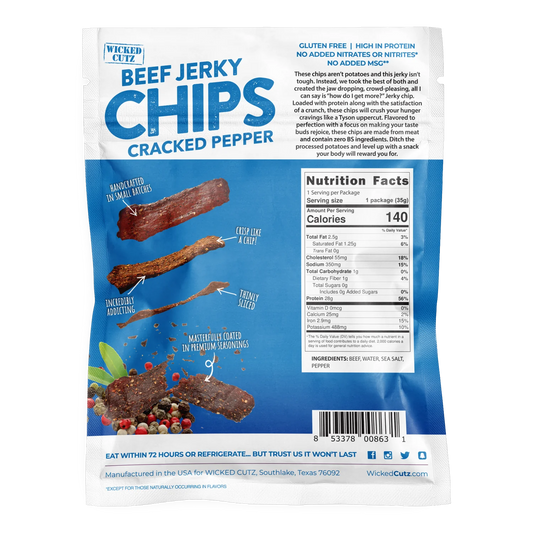
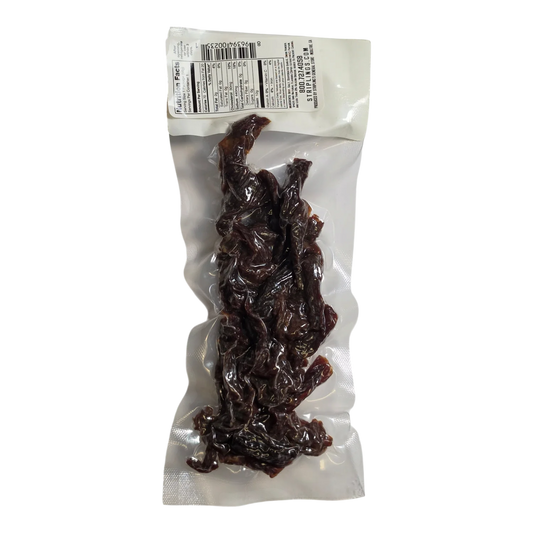
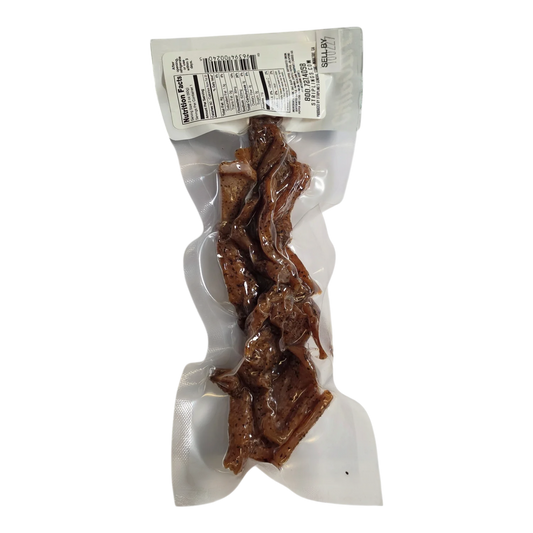
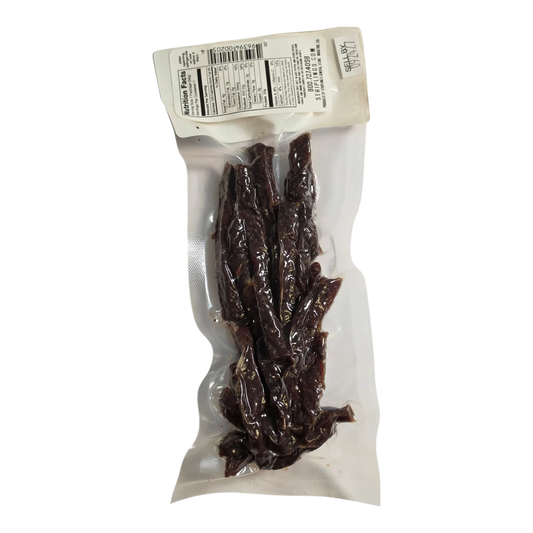
Classic beef jerky remains the anchor of the collection, and for good reason. Lean cuts trimmed before drying deliver a savory, naturally meaty flavor that needs very little help from added ingredients. Grass-fed beef options show up throughout this category for shoppers who want to match their sourcing preferences to their snacking, and thin-cut beef chips and crisps from Wicked Cutz and Jerky Junction cover the crunchy end of the range.
Paleo Turkey Jerky
Turkey jerky is the leaner alternative to beef, with a milder flavor and a chew that's a little easier to work through. It takes seasoning well, which means the paleo-friendly versions in this collection run from simple and savory to genuinely bold. Check the label for sweeteners, since even a paleo-certified turkey jerky can be cured with coconut sugar.
Paleo Pork Jerky
Pork jerky brings a richer, more savory character than beef or turkey, and it holds up especially well against smoky seasoning. The paleo-friendly cuts here keep the seasoning simple, rather than leaning on a sweet glaze like much of conventional pork jerky.
Paleo Fish and Mushroom Jerky
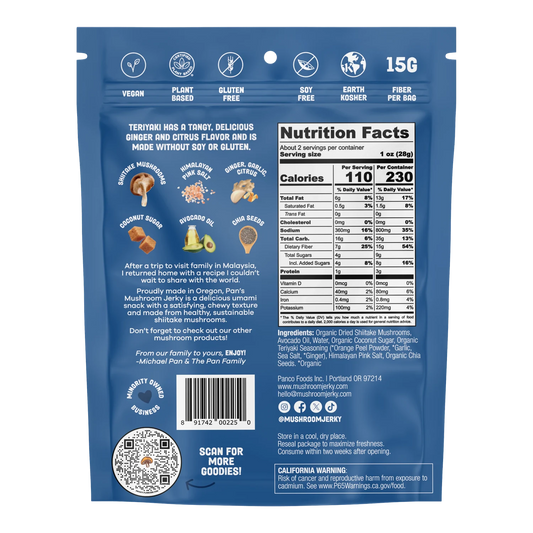
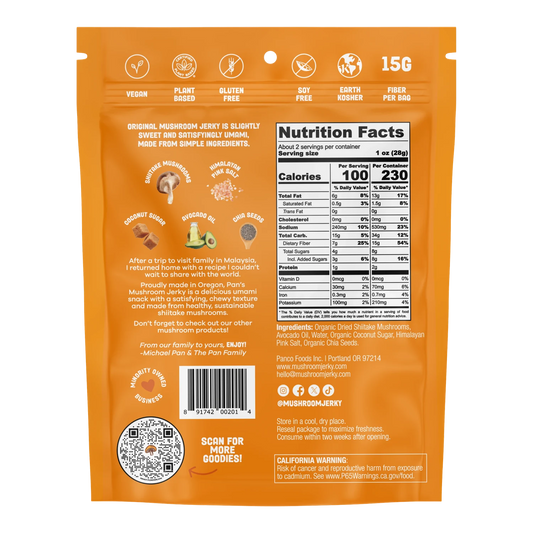
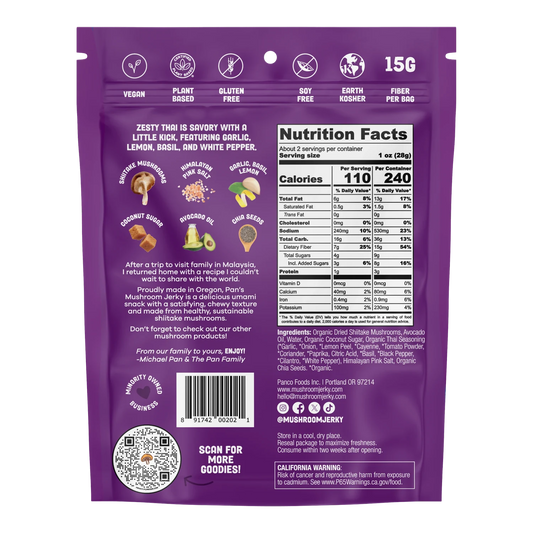
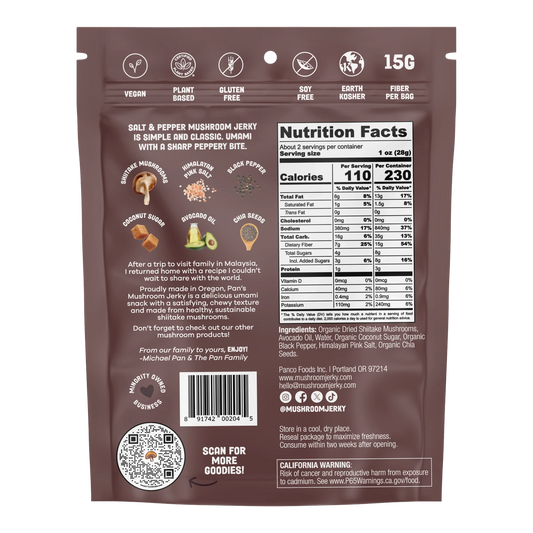
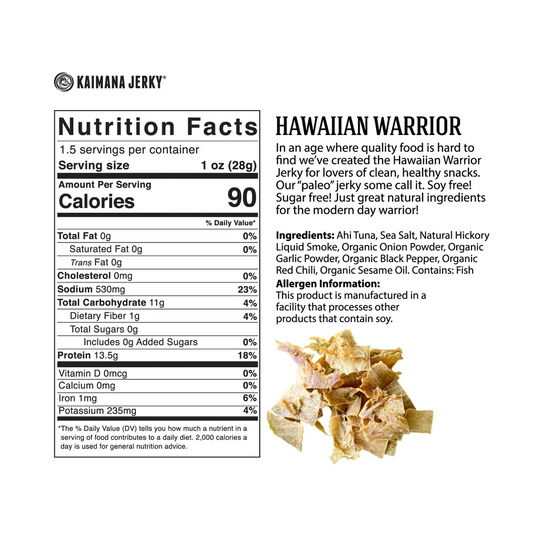
Wild-caught ahi tuna jerky and shiitake mushroom jerky round out the collection, each with a flavor profile you won't find in a standard supermarket meat case. Tuna jerky brings a smoky, savory, ocean-forward bite, while mushroom jerky is a plant-based option built around dried shiitake, avocado oil, and a short seasoning list. Neither carries a paleo certification, so check the ingredient list against your own version of paleo. That distinctive character is the real draw here, not a blanket nutritional claim.
Paleo Biltong
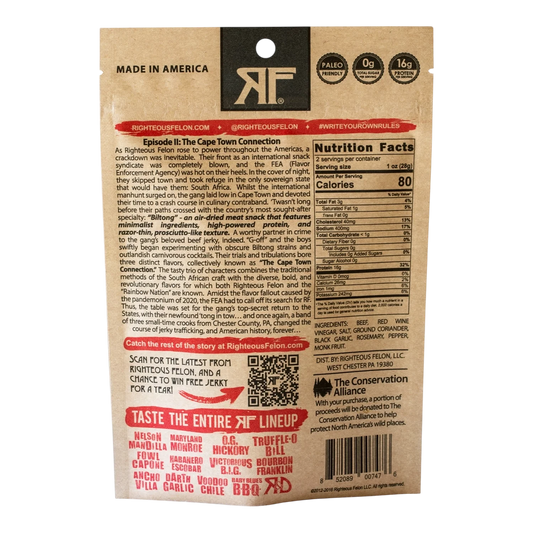
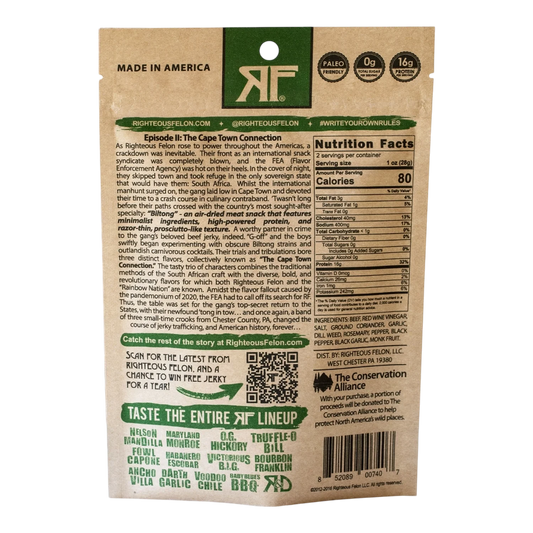
Biltong is a South African air-dried meat that predates American-style jerky by centuries, and it's prepared differently from the ground up. Rather than being smoked or heated to a set temperature like jerky typically is, biltong is seasoned with vinegar and spices, then hung to air-dry, leaving it thicker and noticeably more tender than a typical jerky strip. That simpler preparation often means a shorter ingredient list too, which is part of why biltong from brands like Brooklyn Biltong, Righteous Felon, and Stryve has found a following among paleo-minded shoppers looking for a different texture from their usual jerky rotation.
Paleo Jerky Flavors
Ingredient quality is only half the appeal. These are the flavor families that show up most often across the paleo-friendly side of the collection.
Original and Traditional
Sometimes the simplest recipe is the right one. Original and traditional jerky lets the meat carry the flavor with a light seasoning of salt and pepper, which also usually means the shortest, cleanest ingredient list in the lineup.
Smoky Jerky
Naturally smoked jerky, like Stripling's hickory-smokehouse beef and Prevail's cherry-wood-smoked recipes, brings a deep, savory character without needing a sweet glaze to round it out. It is one of the more paleo-compatible flavor families by default, though checking the label for added sugar is still worth it.
Spicy Paleo Jerky
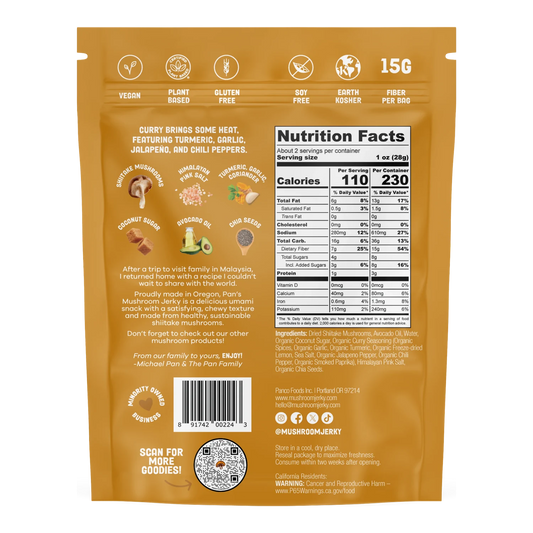
Jalapeño, chipotle, habanero, Hatch green chile, and straight cracked black pepper heat all show up in this collection for shoppers who want their snack to bring some fire. The paleo-friendly versions build heat through peppers and spice rather than a sugary hot sauce base, so compare labels if two spicy options look similar on the shelf.
Garlic and Herb Jerky
Savory herbs and aromatic seasoning blends give garlic and herb jerky a flavor profile that leans entirely non-sweet, which makes it an easy pick for shoppers who prefer their jerky closer to a seasoned steak than a candied snack. Black garlic, rosemary, and coriander show up often in the biltong here.
BBQ-Style Paleo Jerky
Smoky and savory with a barbecue-inspired edge, this flavor family sits closest to the line, since much conventional barbecue jerky leans on brown sugar and molasses. The closest fits in this collection are the smoke-forward original recipes rather than a true sauce-style BBQ, so checking the sugar content on the label before you buy is the safest way to confirm a specific bag fits.
How to Choose the Best Paleo Jerky
Flavor and meat type only get you halfway there. These checkpoints cover what actually separates a paleo-compatible bag from one that just looks the part.
Check the Ingredient List
Look for a short list built around meat, spices, herbs, and recognizable seasonings. Ingredients you can't easily identify, or a list that runs longer than a few lines, are worth a second look before you decide a product fits your standards.
Check Added Sugar
Sugar, honey, coconut sugar, cane syrup, and other sweeteners show up in marinades more often than not, even in flavors that don't sound sweet. Comparing the sugar line across a few products is the surest way to know which ones actually skip it.
Look for Quality Meat
Grass-fed, pasture-raised, and wild-caught sourcing all show up in this collection, and sourcing language on the label is usually your best clue about how an animal was raised. Comparing sourcing claims between brands is a reasonable way to narrow the field if that matters to you.
Review Preservatives and Additives
Artificial preservatives, flavors, and colors run counter to the whole-foods premise behind paleo eating, so many shoppers scan for them specifically. Every brand handles this differently, which is exactly why the label matters more than the marketing copy on the front of the bag.
Check Nutrition Facts
Protein, carbohydrates, sugar, sodium, calories, and serving size all tell you something different, and none of them should be skipped in favor of the others. A quick scan of all six gives you a much clearer picture than any single number on its own.
Paleo Jerky vs. Regular Jerky
The gap between paleo jerky and regular jerky usually comes down to four things: ingredient selection, added sugar, artificial additives, and meat sourcing. Regular jerky is often built around a sweet marinade, a longer ingredient list with preservatives or flavor enhancers, and conventionally raised, grain-finished meat. Paleo-friendly jerky tends to trim all three back in favor of a shorter ingredient list, little to no added sugar, and sourcing that leans toward grass-fed or wild-caught.
None of that means every traditional jerky product is automatically disqualified, or that every product marketed as paleo automatically clears the bar. Some conventional jerky brands already keep their ingredient lists tight, and some paleo-labeled products still carry more sugar or additives than shoppers expect. The label is still the deciding factor either way.
Paleo Jerky for Every Occasion
It's not always easy to find a suitable on-the-go snack that also supports a paleo diet. Here's where paleo jerky comes in to save the day.
For Hiking and Camping
Lightweight, shelf-stable, and ready to eat straight from the bag, paleo jerky earns its spot in a pack above almost anything else. It stays shelf-stable unopened and takes up almost no space, which matters more the longer a trip runs.
For Travel and Road Trips
Jerky doesn't need a cooler, doesn't melt, and doesn't fall apart in a glovebox the way most snack options do. It is a straightforward swap for the gas station chips and candy that usually fill that role on a long drive.
For Work
A bag in a desk drawer covers the afternoon slump without any prep or mess. No microwave, no fridge, no reason to leave your desk.
For Active Lifestyles
Whether you pack it for the trailhead or the gym bag, paleo jerky is a filling, meat-forward snack that takes almost no space and needs no prep, which is hard to beat when you're on the move.
For Everyday Snacking
Not every jerky moment needs a reason behind it. Toss a bag into a lunch box, backpack, or bag, and it is there the next time hunger unexpectedly shows up.
Paleo Jerky Brands
JerkyBrands doesn't make jerky. We find the best small brands and bring them together in one place, each with their own approach to meat selection, ingredient philosophy, flavor variety, sourcing, and preparation method. Prevail Jerky builds its lineup around grass-fed, cherry-wood-smoked, Certified Paleo recipes. Brooklyn Biltong, Righteous Felon, and Stryve focus on air-dried biltong, and Stryve and Brooklyn Biltong list no sugar at all on the products here. Stripling's smokes whole-muscle beef and pork over hickory in South Georgia, Wicked Cutz and Jerky Junction cover beef chips and crisps, Kaimana Jerky handcrafts wild-caught tuna jerky in Hawaii, and Pan's Mushroom Jerky makes the plant-based shiitake option. Comparing a handful of brands side by side, in one cart, beats guessing based on packaging alone. Browse the paleo jerky collection to see the full lineup, then visit individual brand and product pages for specifics on each one.
Paleo Jerky Nutrition
Beyond fitting the paleo framework, jerky brings a few nutritional characteristics worth understanding before you compare bags.
Protein
Jerky is naturally protein-dense because drying concentrates it rather than diluting it, and that holds true across beef, turkey, pork, and fish. Exact protein content still varies by meat type and cut, so comparing grams per serving on the label across a few products is worth the extra minute if protein is your main reason for buying.
Carbohydrates and Sugar
Because paleo jerky skips refined sugar in its cleanest form, carbohydrate counts tend to run low across the category. Marinades and sweeteners are where that changes, so a jerky's carbohydrate number is really a proxy for how much sugar made it into the recipe. Comparing the nutrition label directly is more reliable than trusting a flavor name alone, and the keto and low-carb collection is the place to start if carbs are the number you watch.
Sodium
Sodium swings widely across brands and recipes, and paleo jerky is no exception, even though the diet doesn't set a specific sodium target the way it does for sugar or grains. The CDC recommends adults keep sodium under 2,300 milligrams a day, and the average American already consumes more than 3,300 milligrams daily, so check how much of that limit a single serving covers before you assume a product is a light option. If salt is the line you watch, the low-sodium jerky collection is sorted for it.
Calories and Fat
Calorie and fat content depend heavily on the cut of meat and how lean it was trimmed before drying, which means two paleo-friendly jerky products can land in noticeably different places nutritionally. We won't claim every paleo jerky in this collection shares the same calorie or fat profile, since that wouldn't hold up across beef, turkey, pork, and fish. Comparing labels side by side is still the most accurate way to judge.
More Paleo-Friendly Jerky Flavors
If this collection is close but not quite it, the healthy jerky and grass-fed jerky collections overlap heavily with it, the full beef jerky collection covers every flavor we carry, and the sweet and spicy beef jerky collection is the place to go when you want a glaze and don't mind the sugar.
Shop Paleo Jerky From JerkyBrands
Between grass-fed beef, wild-caught tuna, turkey, pork, mushroom jerky, and biltong, plus a flavor lineup that runs from straightforward original to fire-forward spicy, this collection covers a lot of ground for one page. Convenience and ingredient-conscious shopping don't have to be a trade-off, and browsing this many independent brands in one place beats piecing together a paleo pantry from a handful of separate storefronts. Once your order arrives, keep unopened bags in a cool, dry place and use them by the best-by date printed on the bag; once opened, reseal, refrigerate, and eat within three days. Shop the full paleo jerky collection now, along with keto jerky options, and remember to check the label on anything you add to your cart to confirm it matches your own paleo standards.
